
Communication Tools
1. Clarity Beats Speed
Let’s be honest — WhatsApp is the backbone of communication on South African construction sites. Used well, it’s powerful. Used badly, it’s chaos.
The key is structure:
Clear groups for specific purposes (site updates, deliveries, snags)
Important decisions confirmed in writing
Photos and instructions shared with context
Fast communication is useless if no one knows what’s been agreed. If it’s not written down somewhere, it didn’t happen.
2. Reporting & Documentation
Good reporting isn’t admin — it’s protection, like a digital safety net.
Site photos, daily notes, and clear snag lists create a factual record of what happened and when. When disputes arise (and they always do), emotion fades quickly when the facts are clear.
Cloud-based storage means:
No lost paperwork
No “I never received that”
No relying on memory months later
This is one of the simplest digital upgrades a project manager can make — and one of the most valuable.


3. Planning & Task Management
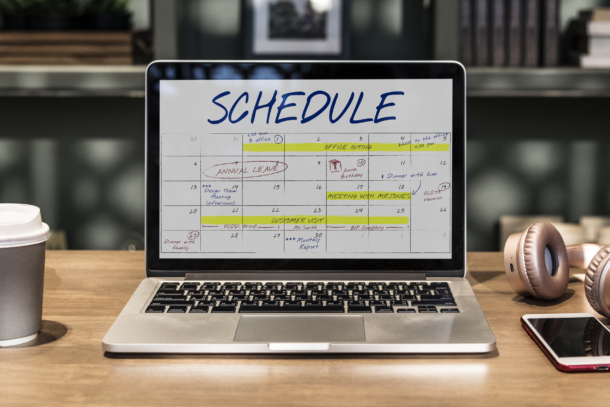
Digital task and planning tools help you stay ahead instead of constantly reacting. You can see the whole picture and they allow you to:
Break projects into clear phases
Assign responsibility
Track progress visually
Spot delays early
This isn’t about micromanaging — it’s about visibility. When everyone knows what’s expected and by when, projects run calmer and more predictably.
4. AI & Automation
AI has its place in construction project management — just not in decision-making.
It’s useful for:
Drafting reports
Summarising notes
Turning voice notes into text
Cleaning up communication
What it can’t replace is judgment, experience, and accountability. AI helps with admin. The responsibility still sits with the project manager — where it belongs.
5. Digital Skills Don’t Replace Site Experience — They Support It
Some of the best project managers I know aren’t tech-obsessed at all. What they are is structured. They use digital tools to support their experience, not override it.
The combination of site awareness and digital systems creates confidence. You’re not guessing — you’re informed.
Digital tools don’t replace experience — they protect it.
You don’t need every tool. You need the right few, used consistently. Start small. Improve gradually. Build systems that reduce stress instead of adding to it.
The goal isn’t to become “more digital” — it’s to become more effective.
If you’re serious about growing as a project manager, start by tightening your systems — your future self will thank you.