Why Sustainable Building Is the Future of South African Construction
Let’s be honest — most of the problems we face with heat, electricity, and water in South Africa are self-inflicted. Years of poor planning, bad maintenance, and mismanagement have left us with constant power cuts and water restrictions. That’s why I believe sustainable building isn’t just an environmental trend; it’s a practical response to the way we live now.
I’ve seen it firsthand on projects — clients are no longer asking for fancy finishes first. They’re asking how to keep their homes cooler in summer, cheaper to run, and less dependent on unreliable services. Building sustainably is simply building smart for the South African context.
The Financial Case: Lower Running Costs, Higher Value
The biggest win in sustainability? The running costs.
I know this from experience — my own home has proven it. Even small things make a big difference: LED bulbs, a solar geyser, and proper insulation. These aren’t fancy features anymore; they’re smart investments.
Energy-efficient homes cost more upfront, yes, but they pay back over time. A solar system might take a few years to break even, but your electricity bills drop immediately. And when it comes time to sell, buyers are willing to pay more for a home that’s efficient and comfortable year-round.
That’s what I call a double return — saving money now, and earning more later.
Local Materials That Work: Hempcrete, Clay Brick, Timber, and Recycled Concrete
South Africa is blessed with great building materials — we just need to use them wisely.
-
Hempcrete: It’s not a gimmick. It’s light, breathable, and offers incredible thermal insulation.
-
Clay Brick: Still my go-to for reliability and temperature regulation. It’s timeless.
-
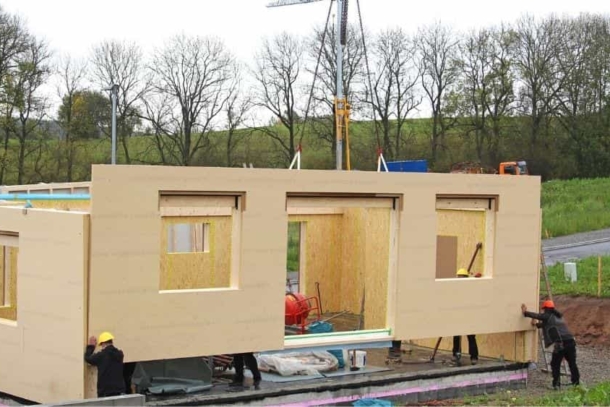
Timber: Beautiful and renewable, but only if treated and used correctly.
-
Recycled Concrete: Strong, sustainable, and an easy way to cut down waste.
I’m a big believer that the right product used for the right purpose changes everything. Don’t be scared of materials that need maintenance — it’s usually not the product that fails, it’s how it’s used. I’ve seen timber rot not because it’s bad, but because someone ignored the basics: sealing, spacing, and drainage.
Sustainability doesn’t mean “no maintenance.” It means smart maintenance.
Guidelines to Watch
Now, I’ll be honest — I’m not the biggest fan of all these councils and certifications.
But I’ll give credit where it’s due: following GBCSA (Green Building Council South Africa) standards or SANS 10400-XA guidelines can help keep your project on track and energy compliant.
These aren’t just red tape — they’re helpful frameworks.
They push builders and homeowners to think about insulation, energy consumption, and water usage from day one. Even if you’re not chasing a green certificate, building with efficiency in mind is always worth it.
Case Study: A Real Example of a Green Build Done Right
Let me share a quick example — my own home.
When I built it, I didn’t go all-in on expensive “green” tech. Instead, I made simple, smart changes that added up:
-
Positioned windows to catch natural light and airflow.
-
Used LED lighting throughout.
-
Added roof insulation and a solar geyser.
-
Installed a rainwater tank for garden use.
The result? A comfortable home that runs efficiently, stays cooler in summer, and costs far less to maintain. That’s sustainability in real life — not theoretical, not complicated, just thoughtful building.
How to Balance Sustainability with Affordability
Not every project can afford to go full solar or install greywater systems from day one — and that’s okay. You don’t have to do everything at once. Start small:
-
Design for airflow and natural light.
-
Invest in insulation — it pays back immediately.
-
Use energy-efficient fittings like LEDs and low-flow taps.
-
Plan for renewables later, even if you can’t install them now.
Building sustainably is about thinking ahead, not spending ahead. Every decision you make — from orientation to paint colour — affects energy use. Build with the future in mind, and your home will reward you for years to come.
Final Thought
If you’re planning to build, think beyond the brick.
Don’t just design something that looks good — design something that lasts longer, performs better, and costs less to run.
We can’t control Eskom or the weather, but we can control how we build.
And that’s where true sustainability begins.