When you lease a shop in a centre or on a high street, two things in the lease shape your fit-out more than almost anything else: the tenant installation allowance and the condition the landlord hands the space over in. Get them clear before you sign and your shopfit budget and programme start on solid ground. Leave them vague and you can end up paying for work you assumed the landlord was doing.
This guide explains the terms in plain language. It isn’t legal advice. Every lease is different, so have yours checked properly before you sign.
What is a tenant installation allowance?
A tenant installation allowance (TIA) is a contribution from the landlord towards the cost of fitting out your premises. The fit-out work itself is often called tenant installation, or TI.
Landlords offer a TIA to secure a tenant, especially for longer leases or where a unit has been empty. It is usually negotiable. How it’s calculated varies. The SAPOA draft commercial lease, for example, sets the allowance as a rand amount per square metre of the leased premises (SAPOA draft lease). Other leases use a fixed total, and some retail listings advertise an allowance calculated as one month’s rental per lease year (example listing).
There is no standard amount. What you get depends on the landlord, the centre, the lease term and how badly they want you as a tenant, so treat it as something to negotiate, not a fixed number.
How a TIA is usually paid
This is where retailers often get caught out. A TIA is rarely cash in hand at lease signing. Common conditions include:
- Payment only against valid VAT invoices and proof of expenditure
- Payment only for installation costs, not stock, furniture or general expenses
- Payment in one amount after completion, or in stages
- A deadline to claim, after which unused amounts are forfeited
In the SAPOA draft lease, the allowance is paid within seven days of a valid invoice and proof of expenditure, but only if the invoice is received within three months of the commencement date. Anything unclaimed after that is forfeited (SAPOA draft lease). Your lease may be different, but check those terms closely.
That means you usually need to fund the shopfit first and claim back later. Plan your cash flow for that.
What “white box” means
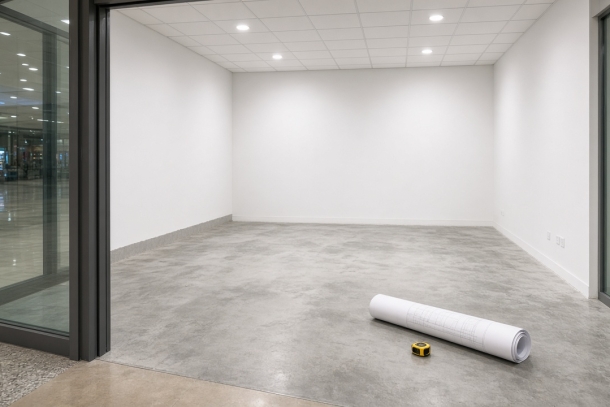
A white box is a neutral, clean shell that the landlord hands over for you to fit out. Hadar Inc describes it as premises with exterior walls, windows and doors, roofing, standard lighting, electrical and air-conditioning, and the existing flooring, all clean, with walls generally freshly painted white (Hadar Inc). Maxprop describes it as bare walls, a level concrete floor, basic electrical wiring and adequate plumbing (Maxprop).
Those two descriptions aren’t identical, and that’s the point. “White box” means different things in different leases. Never assume. Get the handover condition written down.
What the tenant usually does
With a white box, the tenant’s fit-out typically covers the work that makes the space yours:
- Partitions, ceilings and bulkheads
- Floor finishes
- Feature and display lighting
- Additional electrical points, data and security
- Air-conditioning changes or upgrades where needed
- Shopfront, signage and joinery
- Fire and compliance items required for your layout
Our shopfitting project management checklist covers how to manage that work once it starts.
What to clarify in the lease before you sign
Before signing, get clear written answers to these questions:
- Handover condition: exactly what the landlord delivers, item by item
- Services: what electrical supply, water, drainage and air-conditioning capacity is provided, and where the connection points are
- TIA amount and basis: per square metre, fixed amount or another formula
- TIA conditions: what it can be used for, how it’s paid and the deadline to claim
- Beneficial occupation: how long you have to fit out before rent starts
- Landlord approvals: the fit-out guidelines, drawing submissions and approval times
- Building rules: working hours, deliveries, noise and hot-work permits
- Reinstatement: what you must remove or restore when the lease ends
The last point is easy to forget. Many leases require the tenant to hand the unit back as a white box at the end, which can mean paying to strip out your own fit-out (Hadar Inc).
Inspect the shell before you accept it
Before you accept handover, walk the unit with your contractor or project manager. Check that the floor is level and sound, the services are where the lease says they are, the walls and ceilings are in the agreed condition and there are no leaks or damage. Record anything missing in writing and photograph it. Once your shopfitter starts, it becomes much harder to argue about who caused what.
Build the TIA into your budget properly
A TIA helps, but it doesn’t change what the fit-out costs. Budget the full shopfit first, then treat the allowance as a recovery. Remember:
- You may need to pay contractors before the TIA is paid out
- Some costs may not qualify for the allowance
- A missed claim deadline can mean losing part of it
- Rent-free or beneficial occupation time is part of the value too
Protect the opening date
Lease terms drive the programme. Beneficial occupation, landlord approvals and the handover date all set limits on when you can open. Our commercial fit-out timeline explains how to plan backwards from your opening date so the lease and the build line up.
Final thought
The tenant installation allowance and the white-box handover are negotiated before a single partition goes up, and they shape your whole shopfit. Read the lease carefully, get the handover condition in writing, understand how and when the allowance is paid, and plan your cash flow around it. A little clarity at lease stage saves a lot of money and stress later.
Related reading: Shopfitting Project Management Checklist, Commercial Fit-out Timeline and JBCC vs a Simple Quote.
Planning a build, renovation or fit-out in Gauteng? Call or WhatsApp me on 082 44 00 421, email unclemerwe@gmail.com or visit my homepage to see how I work.