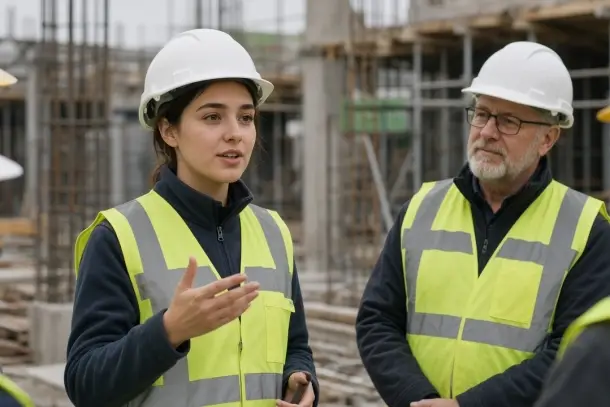
Teaching without micromanaging sounds easy until it’s your project on the line. I take my projects very personally, so believe me, I know the pull to step in and do it myself.
But I’ve learned that you need to just let your team members do stuff and let them handle it. Guide them, yes. Then let them make the mistake.
When it goes wrong, that’s when the real teaching starts. Show them where it went wrong and how to grow from it. And let them come to you with the question, instead of you chasing them with the answer.
That way the team grows, everyone learns, and the mistake is learned for the future.
Every project manager wants work done properly. The temptation, especially under pressure, is to control every detail: check every task, rewrite every email, make every decision. It feels safe. But it slows the project down, frustrates capable people and stops the team from growing. Teaching without micromanaging is the better way.
The better approach is to teach without micromanaging.
Teaching without micromanaging: why hovering backfires
Micromanaging sends a message that you don’t trust your team. People stop thinking for themselves and wait for instructions. Decisions bottleneck at the project manager, who becomes overloaded. And when the PM isn’t available, the site stalls.
I know this from my own early years in business. I was always on site, always showing people how to do it. It helped train people up, but it also meant everything ran through me. Trusting the people I’d trained was the only way out of that.
Set clear expectations
Most micromanaging comes from unclear expectations. If people know exactly what outcome is needed, by when and to what standard, they can get on with it. Be clear about:
- What needs to be achieved
- The deadline
- The quality and safety standards that apply
- Which decisions they can make themselves, and which need your input
Clear expectations also make it easier to step back. If you’ve agreed the outcome and the standard up front, you don’t need to watch every move. You only need to check that the result is on track.
Focus on outcomes, not every step
There’s often more than one right way to do something. Unless the method affects safety, quality, cost or programme, let people choose their approach. Focus on the result.
It also means accepting that someone else’s way might not be your way. If the result meets the standard, the method is theirs to choose. That ownership is what makes people care about the result.
Check in, don’t hover
Support doesn’t mean constant supervision. Agree on check-in points: a quick daily catch-up, a weekly review or a call before a key decision. This keeps you informed without taking over.
Hovering also affects the whole site. When the project manager is always looking over shoulders, people start working to avoid criticism rather than to get the job right. A calm, predictable check-in builds far more confidence.
Let people make small mistakes
People learn from getting things slightly wrong and fixing them. Where the consequences are manageable, allow room for that. Step in quickly where safety, structural integrity or major costs are at stake.
This is the hardest part for me, and the most important. Let them make the mistake. Then show them where it went wrong and how to grow from it, without making them feel small.
A mistake that someone has made, understood and fixed themselves is a lesson they’ll never forget. A mistake you quietly fixed for them teaches nothing, and they’ll probably make it again.
Coach with questions
Instead of giving the answer straight away, ask: “What do you think we should do?” or “What are the risks with that approach?” Questions build thinking skills and confidence.
Better still, let them come to you with the question. When a team member brings you a problem along with what they think should happen, they’ve already done the thinking. Your job is to guide it, not take it over.
Recognise growth
When someone handles a task well, say so. Recognition builds confidence and shows the team that taking ownership is valued.
Know when to step in
Teaching without micromanaging doesn’t mean walking away. There are times you must step in straight away: safety, structural work, or a mistake that would cost the client serious money. Everything else is a chance for someone to learn.
The skill is knowing the difference, and having the patience to stay on the right side of it.
So here’s the takeaway. Set the standard, agree the check-ins, then get out of the way. Let them make the mistake, show them how to grow from it, and let them come to you with the question. It’s slower at first. But it’s the only way I know to build a team you can actually trust with your projects.
Build a team that doesn’t need you for everything
The real test of teaching without micromanaging is what happens when you’re not on site. If the work carries on properly, decisions are made sensibly and problems are raised early, you’ve done your job. If everything waits for you, there’s still work to do.
A few signs that the balance is right:
- People bring you problems along with a suggested fix
- Small issues get sorted without your involvement
- You hear about bigger issues early, not at the last minute
- Standards hold whether or not you’re watching
Getting there takes time and patience. But a team that can think for itself is the best thing a project manager can build.
Final thought
Teaching without micromanaging takes more patience at first, but it pays off. Teams become more capable, the project manager gets time back for higher-level work, and projects run better because more people are thinking, not just following instructions.
Related reading: How Senior PMs Shape the Next Generation and Mentorship in Construction.
Planning a build, renovation or fit-out in Gauteng? Call or WhatsApp me on 082 44 00 421, email unclemerwe@gmail.com or visit my homepage to see how I work.