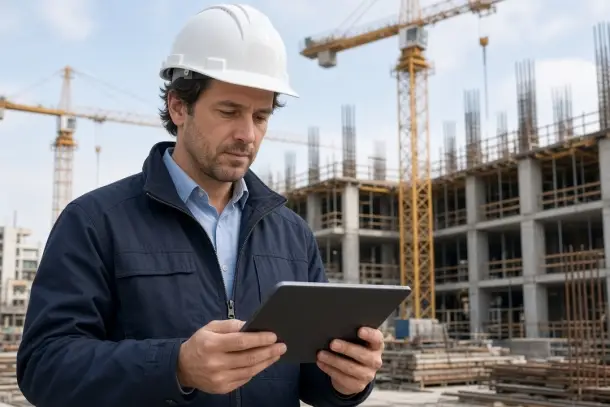
Construction has always relied on practical skill, experience and solid relationships. Those still matter. But the way projects are planned, delivered and reported is changing, and project managers who adapt will stay valuable. Construction is changing, and PMs need to change with it.
Construction is changing: digital tools are becoming standard
Cloud-based programmes, shared drawings, digital site diaries, photo records and mobile reporting are now common. Clients increasingly expect quick, clear updates. PMs don’t need to be software experts, but they do need to be comfortable using digital tools and keeping information organised.
Clients expect more transparency
Clients want to know where their money is going, what’s happening on site and what risks are coming. Regular, honest reporting builds trust. Surprises damage it.
Budgets are under pressure
Material costs, finance costs and economic uncertainty mean clients watch budgets closely. PMs need strong cost control, early warning of overruns and clear processes for variations.
Sustainability and efficiency matter more
Energy efficiency, water saving, waste reduction and backup power are becoming normal parts of the conversation. PMs should understand the basic options and how they affect cost, programme and long-term running costs.
Safety and compliance remain non-negotiable
Health and safety obligations and building regulations continue to require careful attention. Good documentation and clear responsibilities protect everyone.
Skills shortages
Finding reliable, skilled trades isn’t always easy. PMs who build good relationships with subcontractors, plan work in advance and support training on site are better placed.
Leadership is still the core skill
Tools change, but people still deliver projects. Communication, judgment, negotiation and leadership remain at the heart of the role.
How to adapt
- Keep learning new tools, one at a time
- Improve reporting and communication habits
- Strengthen cost control and risk management
- Stay informed about regulations and industry changes
- Keep investing in relationships with clients, consultants and trades
What’s changing on site
It’s easy to talk about change in general terms. On site, it shows up in small, practical ways:
- Drawings shared on phones and tablets instead of only paper sets
- Progress photos sent the same day instead of in a monthly report
- Site instructions and variations recorded in writing, quickly
- Clients asking for updates on WhatsApp, email and calls, often all at once
- More attention on backup power, water and energy use
- More paperwork around safety, compliance and handover
None of these changes the basics of building. But each one changes how a project manager spends the day.
Communication is faster, so mistakes travel faster
When everyone has a phone in their pocket, information moves quickly. That’s useful, but it also means a wrong message or an outdated drawing can spread across a site in minutes. PMs need clear habits:
- One place for current drawings, and everyone knows where it is
- Decisions confirmed in writing, not only in a voice note
- Clear rules on who can issue instructions to whom
- Regular clean-up of old information so people don’t work from it
Clients are better informed
Many clients now research materials, prices and building methods before they speak to anyone. That’s a good thing, but it means PMs need to explain options clearly and honestly, and be ready to answer harder questions. Saying “trust me” isn’t enough anymore. Showing the reasoning behind a recommendation is.
The South African context
In Gauteng and across the country, PMs deal with challenges that don’t always appear in international articles: power interruptions, municipal approval delays, security on site, water supply issues and pressure on budgets. Adapting means building these realities into planning from the start rather than treating them as surprises.
What doesn’t change
For all of this change, some things stay exactly the same. You still need to know how a building goes together. You still need to walk the site and see the work with your own eyes. You still need to treat trades with respect, keep your word and make good decisions under pressure. Technology helps with information. It doesn’t replace experience on the ground.
Adapting without losing your footing
The best way to adapt is steadily. Pick one area to improve at a time, such as reporting, document control or cost tracking. Get it working well, then move on to the next. Trying to change everything at once usually leaves a team confused and back to old habits within weeks.
Questions to ask yourself
A useful way to check whether you’re adapting is to ask a few honest questions every few months:
- Can my client get a clear picture of progress without having to chase me?
- Do my team and trades always know where the latest drawings are?
- Am I spotting cost and programme problems early, or hearing about them late?
- Have I learned one new tool or method properly in the last year?
- Am I still spending enough time on site, seeing the work for myself?
If the answer to any of these is no, that’s where to focus next. Adapting isn’t a once-off project. It’s a habit of looking at how you work and making steady improvements, while keeping hold of the practical experience that makes a good project manager in the first place.
Final thought
Construction is changing, but the fundamentals haven’t disappeared. The PMs who thrive will combine hands-on experience with a willingness to adapt.
Related reading: Why Construction Moves Slower Than Technology, The Rise of Digital Project Managers and AI in Construction Project Management.
Planning a build, renovation or fit-out in Gauteng? Call or WhatsApp me on 082 44 00 421, email unclemerwe@gmail.com or visit my homepage to see how I work.