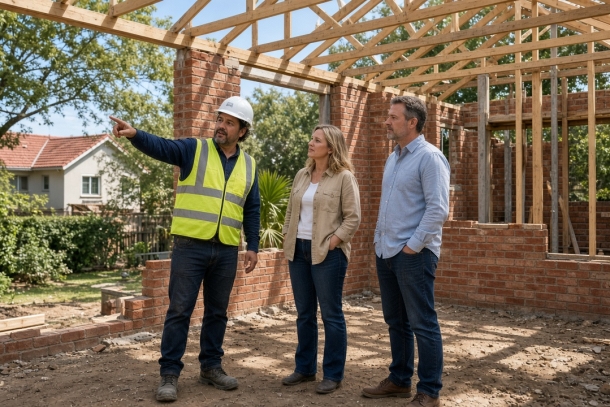
One of the questions I hear most often from homeowners and business owners is simple: what does a construction project manager actually do? They know they need a builder. They may know they need an architect or a draughtsperson. But the project manager role can seem vague, and some people worry that it is just another fee.
So here is a plain-language explanation, based on my hands-on experience managing construction projects, renovations and commercial fit-outs in Gauteng.
The short answer: what a construction project manager does
A construction project manager is the person who makes sure your project is delivered to the right scope, within budget, on time and to the quality you are paying for. I act as the client’s representative. I coordinate the professionals and contractors, manage the money and the programme, and make sure decisions are made at the right time by the right people.
The builder builds. The architect designs. The project manager makes sure all of it comes together the way you need it to.
Before construction starts
A lot of the most valuable work happens before anyone arrives on site. At this stage a project manager typically helps you to:
- Turn your ideas into a clear brief, with must-haves and nice-to-haves separated
- Set a realistic budget that includes professional fees, approvals and a contingency
- Appoint the right professionals, such as an architect, draughtsperson or engineer, where the work needs them
- Understand which approvals are likely to be needed, such as municipal building plan approval
- Put together a tender package so contractors price the same scope
- Compare quotes properly, not just by the bottom line
- Agree a written contract with clear payment terms, programme and a process for variations
Getting this stage right prevents most of the problems people associate with building work: scope creep, surprise costs and disputes about what was included.
During construction
Once work starts, the project manager becomes the hub of the project. Day to day that means:
- Running site meetings and keeping minutes and action lists
- Monitoring progress against the programme and dealing with delays early
- Checking quality and workmanship, and raising issues before they are covered up
- Managing variations so that changes are priced and approved in writing before the work is done
- Checking payment claims against work actually completed
- Keeping the client informed with clear, regular reports
- Coordinating between trades so nobody arrives before the site is ready for them
On commercial fit-outs and shopfitting, this also includes working to the landlord’s requirements and the trading date, which is often fixed and expensive to miss.
At the end of the project
Finishing properly is part of the job too. A project manager will compile and close out the snag list, make sure the required compliance certificates are handed over, collect warranties and operating information, and walk you through the finished space. The aim is that you move in or start trading with confidence, and you know who to contact if something needs attention later.
When does a project manager pay for themselves?
Not every job needs a project manager. If you are painting a room or replacing a few tiles, you probably do not. But a PM usually earns their fee when:
- The work is structural or involves several trades
- The budget is significant and you cannot afford to lose control of it
- There is a fixed deadline, such as a lease start or opening date
- You do not have the time or experience to manage contractors yourself
- Approvals, compliance or landlord requirements are involved
In my experience, preventing a single bad decision, such as appointing the wrong contractor, paying too much upfront or starting work without approved plans, can save more than the project management fee.
How project management fees are usually structured
Fee structures vary depending on the size and complexity of the job. Common approaches include a percentage of the construction value, a fixed fee for a defined scope of services, or a monthly or time-based fee for ongoing involvement. Some clients appoint a PM only for the planning and tender stage; others want support from the first idea through to handover.
Whatever the structure, the scope of services should be agreed in writing upfront, so you know exactly what you are paying for. I am always happy to explain the options and recommend the one that suits your project.
What a project manager is not
It is also worth being clear about what the role is not. A project manager working for you is not the contractor’s representative. My job is not to get the builder paid as quickly as possible; it is to make sure you are paying a fair price for work that has actually been done properly. I aim to be fair to contractors, but I sit on the client’s side of the table.
Do you need one?
If you are planning a renovation, a new build or a commercial fit-out and you are not sure whether a project manager makes sense, a short conversation usually answers it. I will tell you honestly whether I think your project needs one, and what the role would look like.
Related reading: How to Plan a Home Renovation in South Africa, Shopfitting Project Management Checklist and How to Choose a Building Contractor.
Planning a build, renovation or fit-out in Gauteng? Call or WhatsApp me on 082 44 00 421, email unclemerwe@gmail.com or visit my homepage to see how I work.